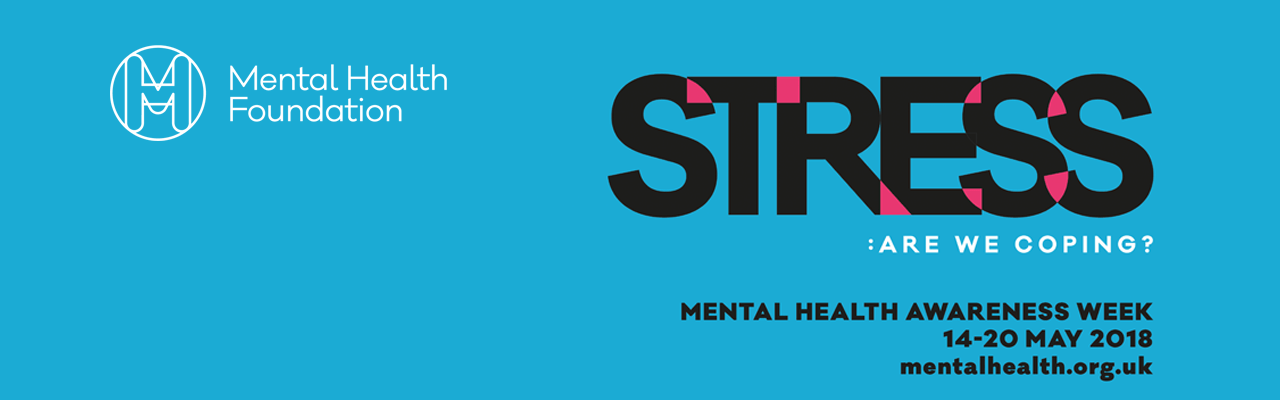
We are mid way through Mental Health Awareness week run by the Mental Health Foundation. This year the focus is on stress and how stress impacts each individuals mental health.
Defining stress is difficult, as each person experiences stress differently. Generally speaking, stress is considered to be the body’s response to pressures from a situation or live event. When we experience stress our body responds using a ‘fight or flight’ response and while this response can be helpful in some situations, experiencing this heightened response to your environment on a continual basis can be dangerous.
If we experience prolonged stress then our body may experience physiological effects and this could lead to an experience of feeling overwhelmed and unable to cope. The Mental Health Foundation report that in the past year 74% of people have at some point felt so stressed that they were overwhelmed or unable to cope.
So how does stress affect our mental health?
Current research suggests that the experience of stressful events is associated with depressive symptoms and the onset of major depression, suicide and self harm. Similarly, stress plays an important role in exacerbating existing mental health problems, making symptoms worse or causing a relapse from a previous mental health condition.
There are a number of different types of stress that can impact on an individuals mental health;
- Workplace stress- caused by the work environment or the relationship with colleagues
- Social stress-experiencing stigma or discrimination based on an individuals membership of a minority ethnic group
- Financial stress-personal debt, poverty or financial insecurity
- Digital stress- pressures related to always being online, comparing yourself to others and online bullying

Mental Health Foundations ‘Top 10 Individual Actions’
1.Realise when stress is causing you a problem and identify the causes
2. Review your lifestyle
3. Build supportive relationships and social networks
4. Eat Healthy
5. Be aware of your smoking, drinking and caffeine intake
6. Exercise
7. Take time out
8. Be mindful
9. Get some restful sleep
10. Dont be too hard on yourself
If you feel like you are experiencing prolonged stress you can speak to your GP about accessing some practical support to reduce your stress levels. Cognitive Behavioural Therapy has a strong evidence base for working with individuals who experience chronic stress by changing the way individuals think about stressful situations and encouraging lifestyle changes that allow for some relaxation and self care.
Taken from Mental Health Foundation (May 2018). Stress: Are we coping? London: Mental Health Foundation
 Dr Patricia Barber